
Ce que les Australiens pensent vraiment du climat
Les Australiens se soucient de l'action climatique, mais la plupart des recherches n'expliquent pas pourquoi les bonnes intentions se transforment rarement en actes. Jenny Maginess, fondatrice de G+S Communications, a entrepris de combler cet écart.
À travers 200 entretiens, son équipe a créé Climate Sentiment in Australia 2025, une étude nationale qui montre où les gens hésitent, en quoi ils croient encore, et comment les communicants peuvent les rejoindre là où ils sont.
Le défi
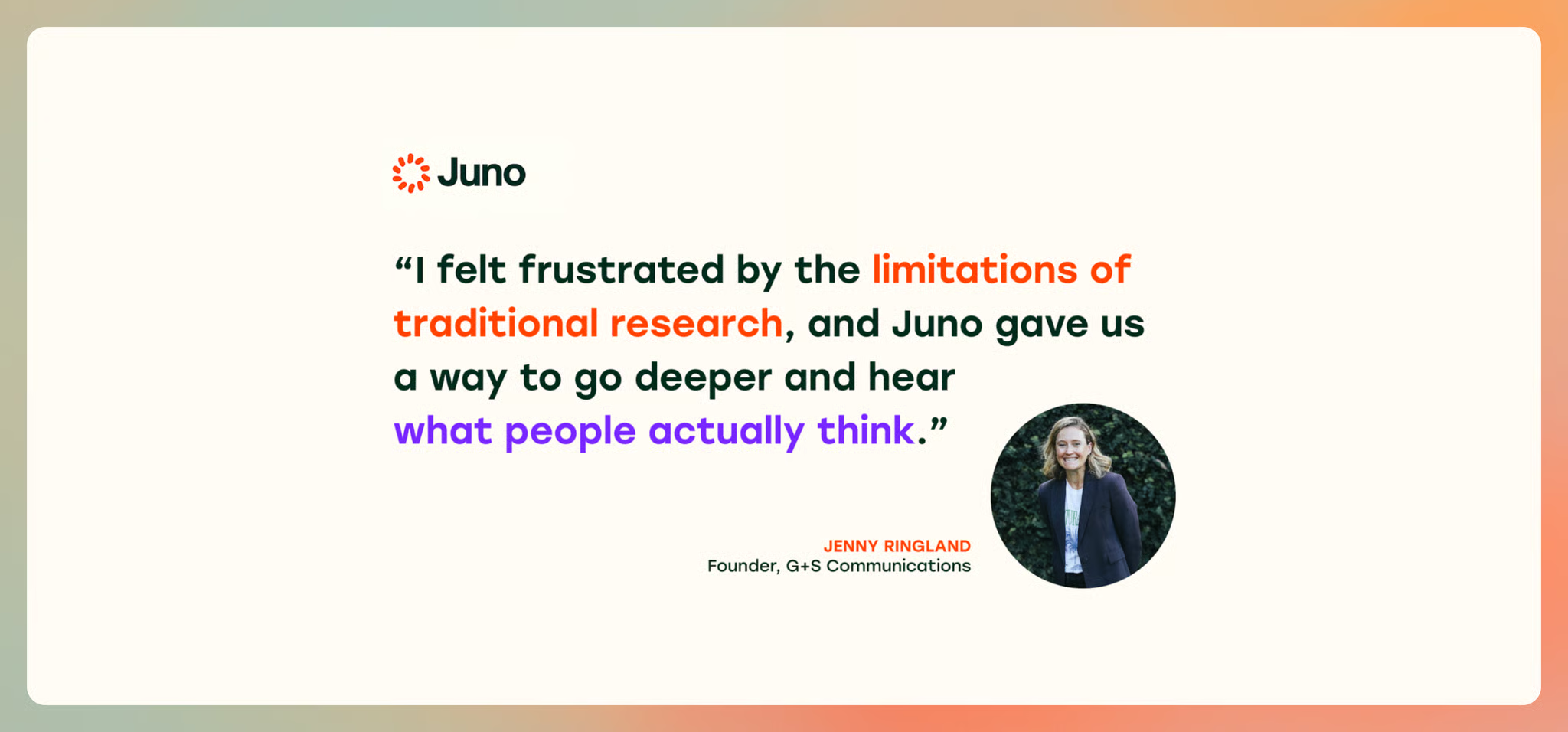
La recherche sur le climat recueille ce que les gens pensent devoir dire, pas ce qu'ils croient vraiment. Jenny voulait dépasser les enquêtes et les « bonnes » réponses, et voir comment les Australiens parlent du climat quand personne ne regarde. Elle a utilisé Juno pour découvrir les attitudes et les freins réels, capables d'inspirer une communication plus intelligente.
Voici comment ils ont structuré l'étude avec Juno :
- Ask about values, daily behaviors, and trade-offs.
- Let interviews surface contradictions, not just consensus.
- Publish a credible, public-facing report with findings and next steps.
La solution
G+S s'est lancé dans une étude qualitative avec 200 Australiens d'horizons et de régions différents. Juno a mené des entretiens asynchrones. Les gens n'étaient pas tenus à un script ni poussés vers des réponses politiquement correctes.
Il a demandé des exemples, clarifié les contradictions et aidé les gens à expliquer pourquoi ils avaient agi ainsi. Un fil commun est apparu : les participants ont partagé en privé des choses qu'ils n'auraient jamais dites dans un forum public.
Le format ouvert a donné aux gens plus de liberté pour être francs. Ils ont répondu avec leurs propres mots, à leur rythme, sans restriction.
Ce que cela a rendu possible :
- Scale: hundreds of detailed interviews completed and analysed in weeks.
- Depth: Juno explored every response for decisions or meaning to uncover richer answers.
- Transparency: Juno themes connected directly to quotes, giving the findings context and credibility.
Les enseignements
L'étude a révélé un portrait détaillé de la façon dont les Australiens pensent et agissent autour de l'action climatique. Les gens s'en soucient profondément mais se sentent coincés entre une intention sincère et des frictions.
- Care exists, but limits apply. Australians want to act but face pressure from rising costs and daily demands.
- “Trustworthy” and “authentic” are no longer persuasive. People want proof, not positioning.
- Consistent behavior happens at home, particularly recycling, while broader action stalls.
- Climate divide is growing. Many believe individual efforts make little difference compared to government and industry action.
- People want more clarity. They are more likely to act when they understand the outcomes and the pathway.
- The desire to do more is there, but people lack clear, simple ways to act.
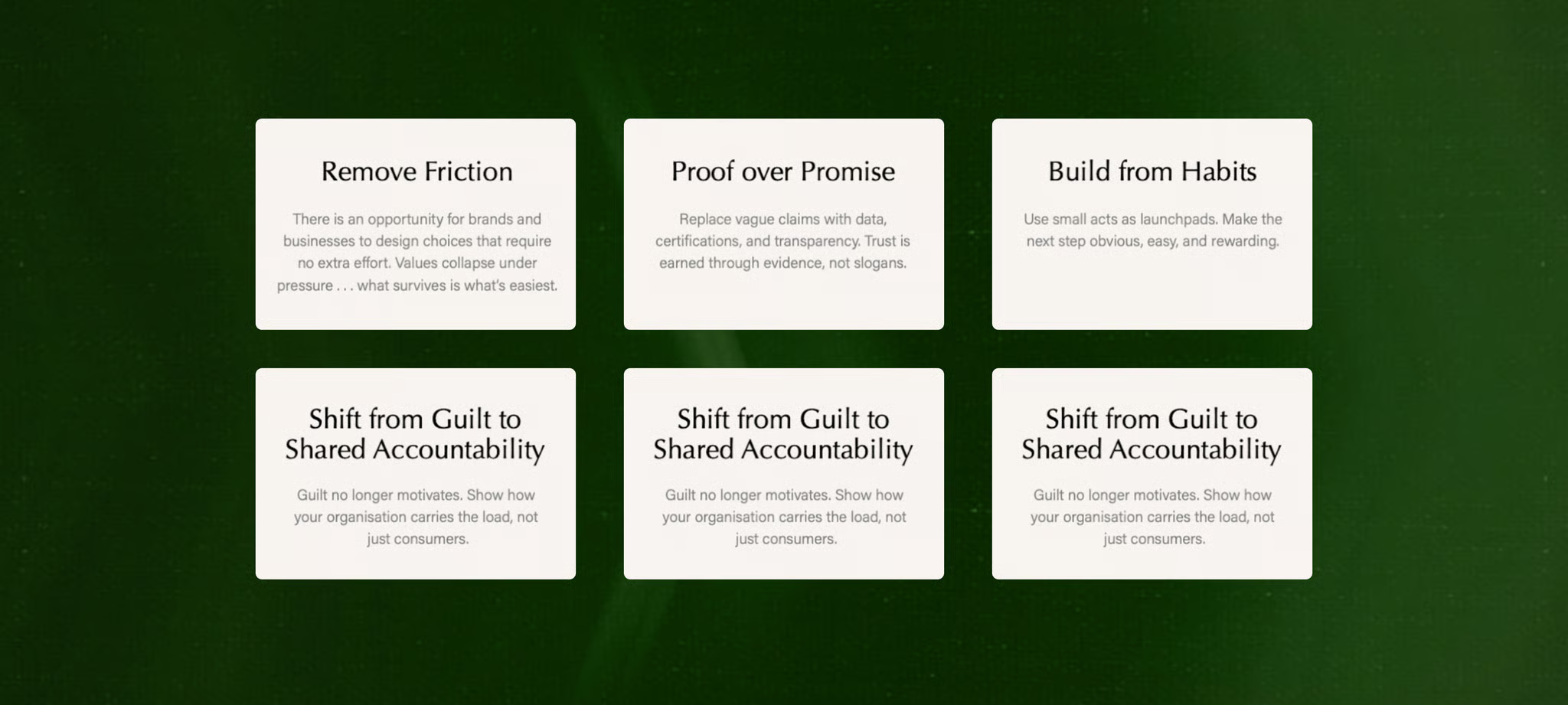
G+S s'est servi de ces enseignements pour indiquer où la communication doit changer. L'action climatique doit partir des gens tels qu'ils sont — avec le coût, la confiance et l'habitude — et les rejoindre avec de la transparence et des étapes concrètes.
L'impact
L'étude Climate Sentiment in Australia 2025 a donné aux décideurs publics, aux marques et aux communicants une vision ancrée de la façon dont les Australiens pensent l'action climatique. L'étude était assez rigoureuse pour être publiée et assez crédible pour nourrir la stratégie. Elle leur a apporté du volume, de la profondeur et des preuves claires.
G+S a utilisé Juno pour mener 200 entretiens et la structure pour en faire un récit national clair.
Le résultat est un nouveau modèle d'enseignement public qui parle simplement de coût, de confiance et de comportement, et montre comment la recherche sur le climat peut provoquer un vrai changement.
Poursuivre la lecture

Trouver les freins à la conversion
Comment Juno a aidé StoryTribe à découvrir ce qui empêchait les utilisateurs de passer à l'offre supérieure, permettant des correctifs ciblés qui ont fait monter la conversion.

Accélérer l'adoption du numérique
Comment Chris Sinclair a utilisé Juno pour cartographier les parcours clients d'OFX en cinq jours, façonnant l'architecture de leur site et leur stratégie de contenu.

Transformer des voix en politique publique
Comment The Arthritis Movement a utilisé Juno pour faire émerger ce qui compte vraiment pour les personnes qu'il représente, éclairant directement la politique nationale.
La compréhension, automatisée.
Juno mène des entretiens qualitatifs avec de vraies personnes, sans script, pour trouver ce que vous ne saviez pas demander.